
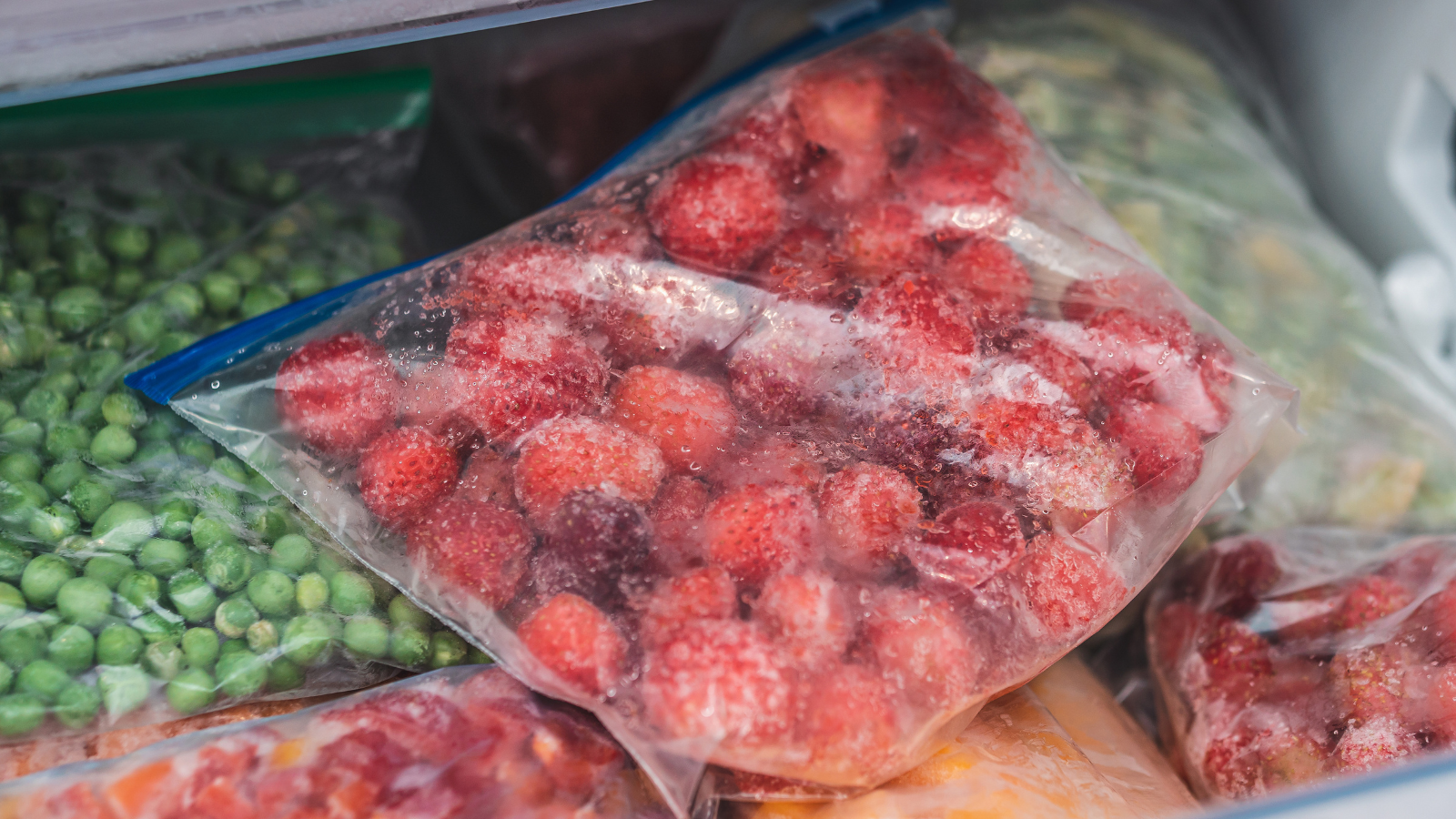
The global food industry continues to evolve at a rapid pace. Changing consumer habits, rising demand for convenience foods, and the need for consistent quality have reshaped how food businesses source ingredients. In this environment, frozen fruits and vegetables have become essential for manufacturers, HoReCa operators, and exporters.
At DWBL Foods, frozen fruits and vegetables play a key role in supporting modern food production. With advanced IQF processing and strict quality control, frozen ingredients now offer far more than basic preservation. They deliver reliability, efficiency, and long-term value.
The Shift Toward Frozen Ingredients
Fresh produce depends on seasonality, weather conditions, and supply chain stability. These factors often create challenges such as price volatility, inconsistent quality, and high wastage. Frozen fruits and vegetables address these problems directly.
Food processors freeze produce at peak ripeness. This locks in flavor, color, and nutritional value. Businesses can then access high-quality ingredients throughout the year without relying on seasonal availability.
For manufacturers and institutional buyers, frozen products provide predictability. Recipes remain consistent. Production schedules stay stable. Raw material losses reduce significantly.
What Makes IQF Technology So Effective?
IQF stands for Individually Quick Frozen. Unlike block freezing, IQF freezes each fruit or vegetable piece separately. This method prevents clumping and preserves structure.
IQF technology offers several advantages:
- Each piece remains free-flowing
- Products maintain natural shape and texture
- Portion control becomes easier
- Cooking and blending results stay consistent
IQF frozen fruits and vegetables perform well across multiple applications. They suit large-scale manufacturing as well as professional kitchens. This flexibility explains why IQF has become the industry standard.
Frozen Fruits: Consistency for Taste-Driven Products
Frozen fruits play a critical role in products where flavor and appearance matter. Beverage brands, dairy processors, and dessert manufacturers depend on consistent fruit quality.
By freezing fruits at the right maturity stage, processors preserve sweetness and aroma. This allows food businesses to achieve the same taste profile in every batch.
Common applications for frozen fruits include:
- Smoothies and fruit-based beverages
- Ice creams and frozen desserts
- Yogurts and dairy preparations
- Bakery fillings and toppings
- Confectionery and fruit preparations
Frozen fruits also reduce preparation time. They arrive cleaned, cut, and ready to use. This improves operational efficiency and minimizes manual handling.
Frozen Vegetables: Efficiency Without Compromise
Frozen vegetables have become indispensable in modern food production. They support speed, hygiene, and portion accuracy.
Processors wash, cut, blanch, and freeze vegetables under controlled conditions. This ensures safety and consistency. IQF frozen vegetables cook evenly and retain their natural color.
Food businesses use frozen vegetables in:
- Ready meals and frozen foods
- Curries, gravies, and sauces
- Soups and instant food mixes
- Institutional catering and HoReCa kitchens
Frozen vegetables help kitchens reduce labor costs. They also improve food safety by limiting raw handling.
Nutrition and Quality Retention
A common misconception suggests frozen foods lack nutrition. In reality, frozen fruits and vegetables often retain nutrients better than fresh produce stored for long periods.
Processors freeze produce shortly after harvest. This preserves vitamins and minerals that would otherwise degrade during transportation and storage. As a result, frozen ingredients deliver strong nutritional value.
For health-focused brands, frozen fruits and vegetables provide both quality and convenience.
Food Safety and Cold Chain Importance
Food safety plays a critical role in frozen food processing. Temperature control must remain consistent from processing to delivery.
Reliable frozen food suppliers invest in:
- Hygienic processing environments
- Controlled freezing systems
- Food-grade packaging
- Strong cold chain logistics
When cold chain integrity remains intact, frozen products maintain quality and safety for extended periods. This reliability builds trust among buyers and end users.
Cost Control and Waste Reduction
Frozen fruits and vegetables support better cost management. Businesses can purchase in bulk and store products for long durations. This reduces frequent sourcing and price fluctuations.
Frozen ingredients also lower waste. Businesses use only what they need and store the rest safely. This efficiency improves margins, especially for large-scale operations.
For exporters, frozen products offer additional benefits. They withstand long-distance transportation and maintain quality across borders.
Sustainability and Responsible Food Processing
Frozen foods also support sustainability goals. By freezing produce at peak harvest, processors reduce post-harvest losses. This helps farmers and optimizes agricultural output.
Frozen fruits and vegetables also reduce unnecessary disposal caused by spoilage. Efficient storage and longer shelf life contribute to responsible food systems.
Many food brands now view frozen ingredients as part of their sustainability strategy.
Choosing the Right Frozen Food Partner
Not all frozen food suppliers offer the same standards. Buyers should evaluate partners based on processing capability, consistency, and supply reliability.
Key factors to consider include:
- IQF technology and infrastructure
- Quality control systems
- Custom cut and packaging options
- Cold chain support and logistics
A dependable supplier acts as a long-term partner rather than a short-term vendor.
The Growing Role of Frozen Foods in Global Markets
Demand for frozen fruits and vegetables continues to grow worldwide. Urbanization, changing lifestyles, and the rise of convenience foods fuel this demand.
Food businesses that adopt frozen sourcing gain a competitive advantage. They respond faster to market needs and maintain consistent product quality.
Frozen ingredients now form the backbone of many successful food brands.
Final Thoughts
Frozen fruits and vegetables have transformed food processing. They offer consistency, safety, and efficiency without sacrificing taste or nutrition. For manufacturers, HoReCa buyers, and exporters, frozen ingredients provide a reliable foundation for growth.
As the food industry moves forward, frozen products will continue to play a central role. Businesses that invest in quality sourcing will benefit from stability and scalability.