
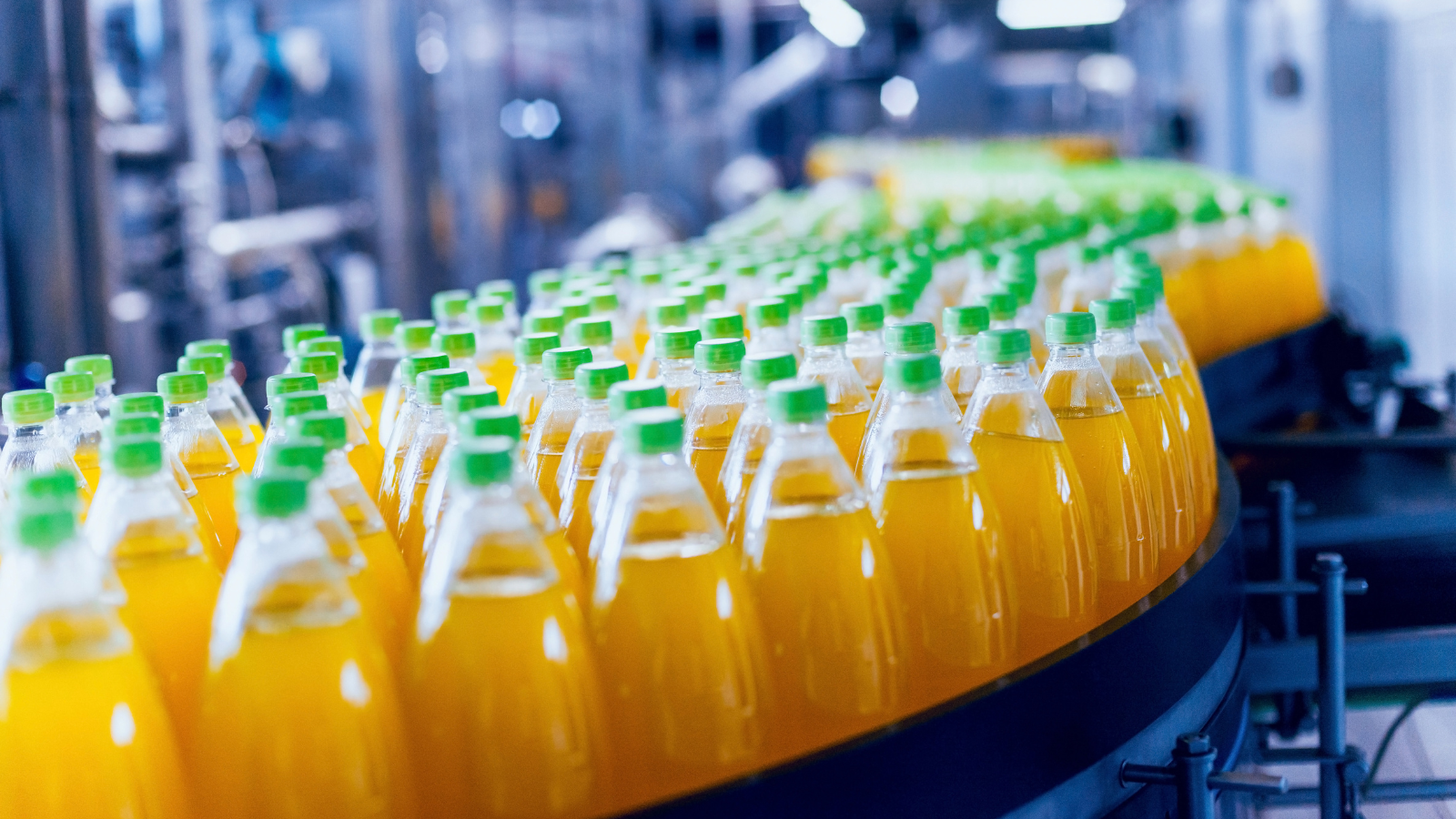
The global food and beverage industry is undergoing rapid transformation. Consumers are demanding healthier, cleaner, and more natural products—pushing manufacturers to switch from synthetic flavors to real ingredients. Among these, fruit pulps have emerged as a powerful and versatile solution for beverage companies, ice-cream manufacturers, dairy processors, confectionery makers, and ready-to-eat food producers.
From fresh fruit aroma to bright natural color, fruit pulp delivers everything modern brands need to develop high-quality, clean-label products.
At the forefront of this evolution is DWBL Foods, one of India’s reliable producers and suppliers of premium-grade aseptic fruit pulps, frozen fruit pulps, and custom fruit blends. With a commitment to purity, hygiene, and global-standard processing, DWBL Foods empowers manufacturers worldwide to scale efficiently without compromising quality.
This comprehensive guide explores how fruit pulps are revolutionizing the F&B industry, why their demand is skyrocketing, and what makes DWBL Foods a preferred supplier across markets.
What Is Fruit Pulp? The Ingredient Behind Countless Food Products
Fruit pulp is the soft, edible part of the fruit that is extracted, refined, and preserved to retain its natural taste, aroma, and nutritional profile. Unlike fruit concentrates, pulps maintain the fruit’s natural fiber, color, and density, making them ideal for premium formulations.
Characteristics of high-quality fruit pulp:
- Natural color and aroma
- Balanced sweetness and acidity
- Smooth texture
- Zero artificial additives
- Hygienic processing
- Long shelf life (when aseptically packed)
At DWBL Foods, fruit pulps are processed from carefully selected, ripe fruits sourced directly from trusted farms.
Why the Global Demand for Fruit Pulps Is Rising
1. Clean-Label Movement Is Growing Rapidly
Consumers are actively avoiding processed sugar, artificial flavors, and chemical additives. Fruit pulp helps manufacturers create clean-label products—those made with natural and identifiable ingredients.
2. Year-Round Availability of Seasonal Fruits
Fruits like mango, guava, papaya, and pineapple have limited seasons, but manufacturers operate 12 months a year. Fruit pulps provide consistency across all seasons.
3. Better Efficiency for Large-Scale Manufacturing
With fruit pulps, brands no longer need to:
- Wash, peel, or cut fruits
- Manage seeds or cores
- Handle large waste volumes
- Deal with inconsistent fruit quality
This dramatically reduces production time and operational cost.
4. Long Shelf Life Without Preservatives
Aseptic packaging allows fruit pulps to remain fresh and safe for months—without the need for chemical preservatives.
5. Increased Demand for Natural Flavors Across Industries
Fruit pulps today are used in:
- Juices & nectars
- Ice creams & frozen desserts
- Yogurt & dairy drinks
- Bakery items & confectionery
- Sauces & ready meals
- Baby food products
The flexibility of fruit pulp is one of its biggest strengths.
DWBL Foods: India’s Trusted Supplier of Premium Fruit Pulps
DWBL Foods follows a stringent sourcing and processing model that ensures world-class quality, flavor consistency, freshness, and hygiene.
Our Fruit Pulp Portfolio Includes:
Mango Pulps
- Alphonso Mango Pulp
- Totapuri Mango Pulp
- Kesar Mango Pulp
Used widely in beverages, desserts, and ice creams.
Pink Guava Pulp
Known for its tropical aroma, smooth texture, and rich color—excellent for juices and dairy products.
Papaya Pulp
A favorite ingredient for bakery, baby food, jams, and health-oriented foods.
Pineapple Pulp
A sweet and tangy base for beverages, syrups, and flavor blends.
Banana Puree
Rich, creamy, and perfect for smoothies, baby food, bakery, and RTE meals.
Custom Fruit Blends
DWBL Foods also offers customized blends to help brands create signature flavors.
How DWBL Foods Ensures Premium Quality: From Farm to Final Product
1. Selective Sourcing from Reliable Farms
Only fully ripe, chemical-free fruits are selected for processing.
2. State-of-the-Art Processing Technology
This includes:
- Mechanical washing
- Blanching
- Pulping
- Refining
- Pasteurization
- Aseptic packaging
This guarantees freshness and microbial safety.
3. Stringent Quality Checks
Every batch is verified for:
- Brix value
- pH
- Color and aroma
- Viscosity
- Taste uniformity
- Microbial safety
4. Custom Production
We offer adjustments based on:
- Viscosity
- Color intensity
- Blend requirements
- Packaging size
5. Reliable Supply Chain
We ensure timely deliveries to help manufacturers eliminate downtime and production delays.
Applications of Fruit Pulps Across Industries
1. Juice & Beverage Industry
Fruit pulps are widely used for:
- Juices
- Smoothies
- Nectars
- RTD drinks
Consistent flavor makes them ideal for large-scale production.
2. Dairy and Ice Cream Industry
Fruit pulps enhance:
- Yogurts
- Milkshakes
- Ice creams
- Frozen desserts
3. Bakery & Confectionery
Used in:
- Cake fillings
- Jams
- Syrups
- Pastry creams
4. Baby Food Industry
Fruit pulps offer natural nutrients without artificial additives.
5. Ready-to-Eat & Ready-to-Cook Meals
Used in:
- Sauces
- Marinades
- Dessert mixes
6. Hospitality & Foodservice
Hotels, restaurants, and cafes use fruit pulps for consistency and convenience.
Global Future of Fruit Pulps: What’s Next?
1. Increasing demand for plant-based, natural food products
Fruits remain central to the global shift toward natural foods.
2. Growth in functional food & beverage market
Pulps rich in antioxidants and vitamins are used in health drinks, probiotic beverages, and superfood blends.
3. Rising adoption in international cuisines
Chefs worldwide are using fruit pulps in sauces, curries, and desserts.
4. Expansion into frozen dessert and yogurt markets
Demand for artisanal, fruit-based desserts is accelerating rapidly.
DWBL Foods continues to innovate by aligning with these global trends.
Frequently Asked Questions
1. What makes fruit pulp better than fresh fruit for manufacturing?
It ensures consistency, convenience, longer shelf life, and year-round availability.
2. Which industries commonly use fruit pulps?
Beverages, dairy, bakery, confectionery, baby food, sauces, and ready-to-eat meals.
3. Does DWBL Foods offer aseptic fruit pulp packaging?
Yes, all fruit pulps are available in aseptic packaging to ensure maximum freshness.
4. What is the shelf life of aseptic fruit pulp?
Typically 12–24 months depending on fruit type and storage conditions.
5. Can I get customized fruit blends?
Yes, DWBL Foods offers fully customizable blends based on client requirements.
6. Are fruit pulps suitable for export markets?
Yes, DWBL Foods follows global quality standards suitable for international shipments.